Manual Dock Leveler
A manual dock leveler is a compact loading ramp that works on mechanical principles without needing an electric or hydraulic power source. Thanks to its hinge mechanism supported by gas springs or a counterweight, it can easily be raised and lowered by a single operator and creates a safe bridge between the vehicle body and the warehouse floor. With zero energy costs, this system performs the same basic function as hydraulic levelers with a much lower initial investment, especially in facilities with low or medium loading frequency.
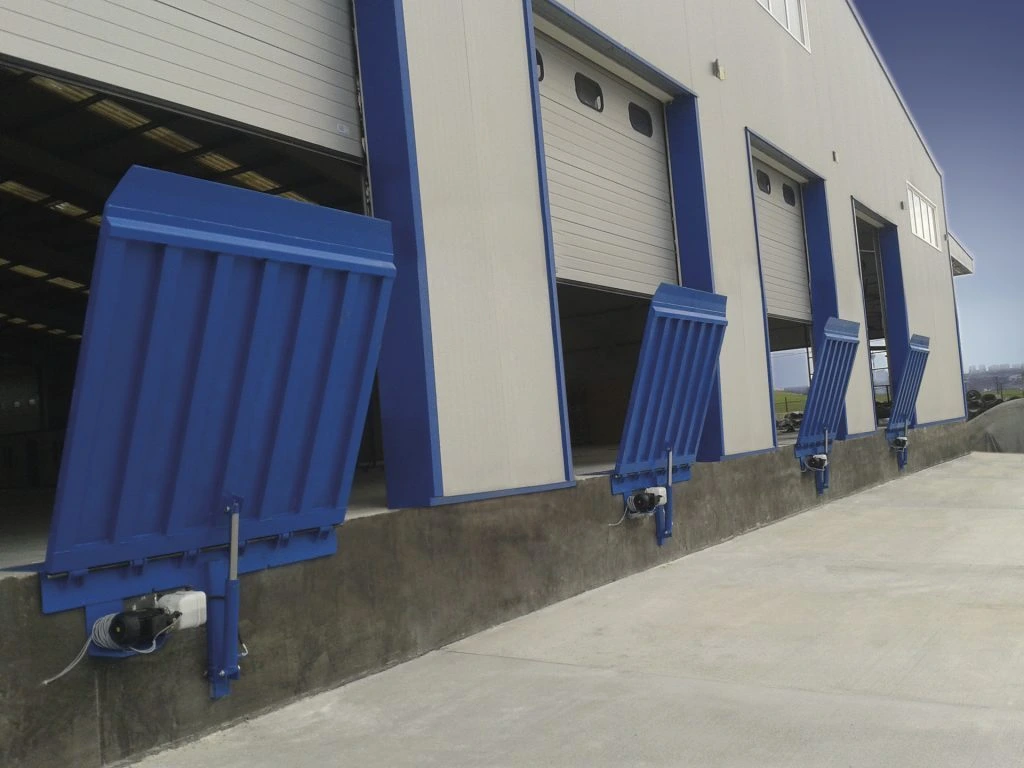
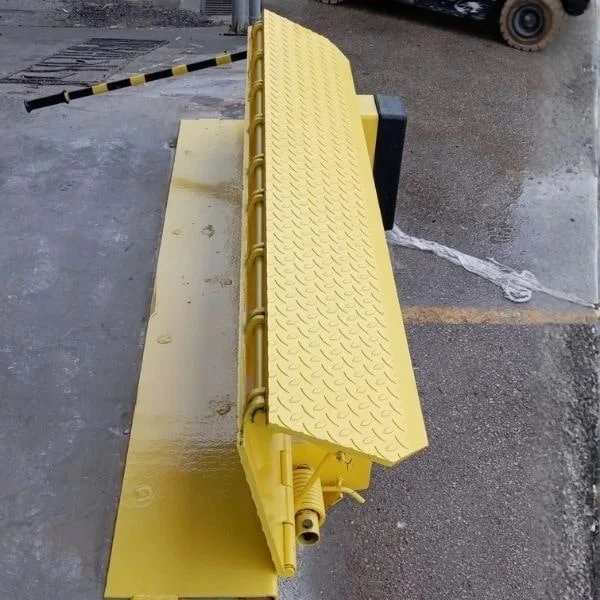
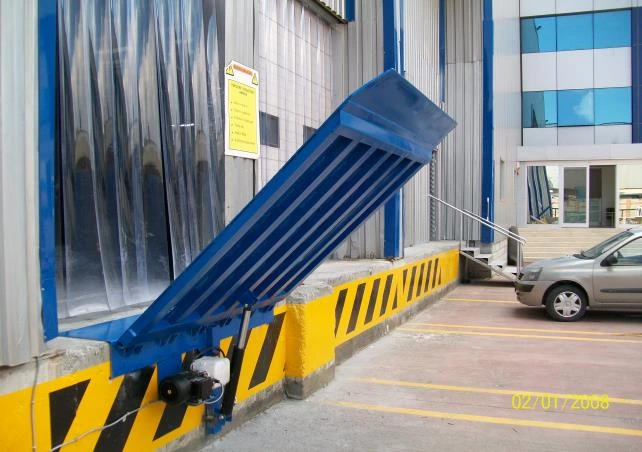
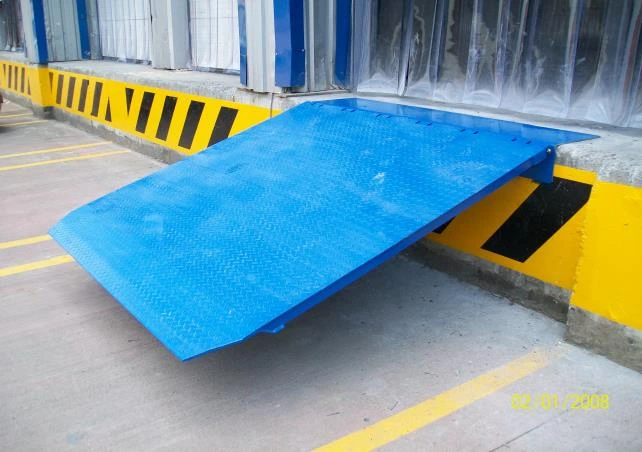
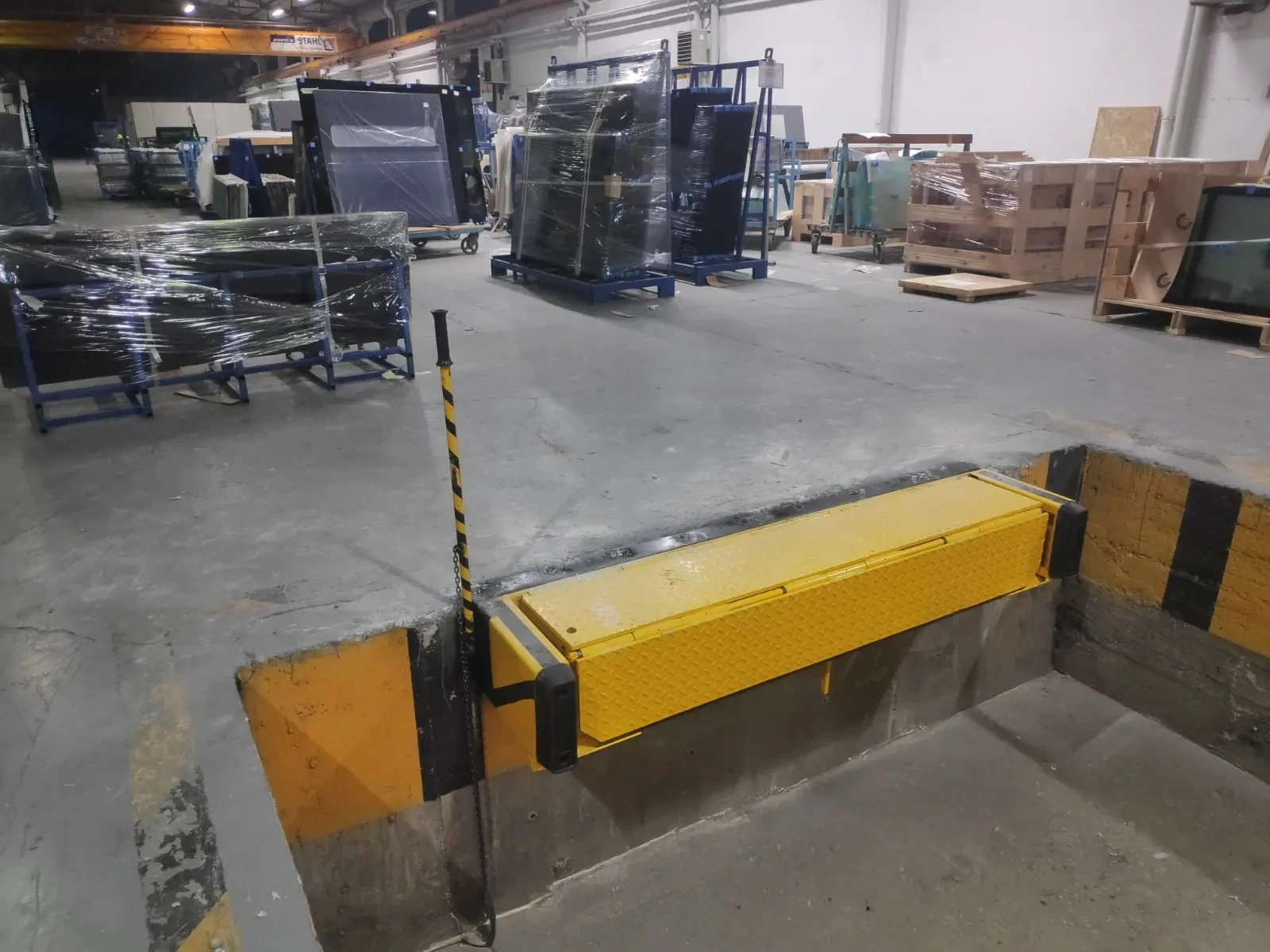
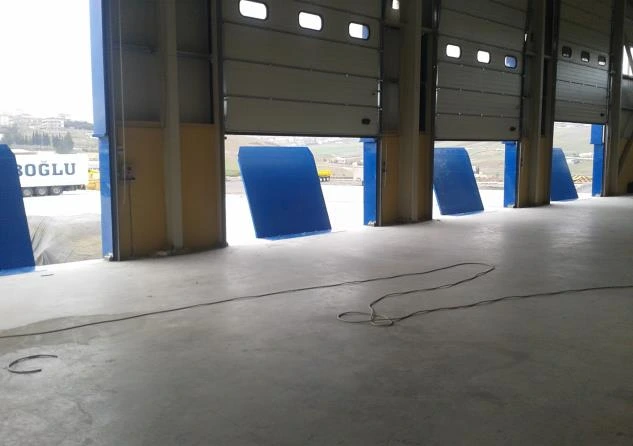
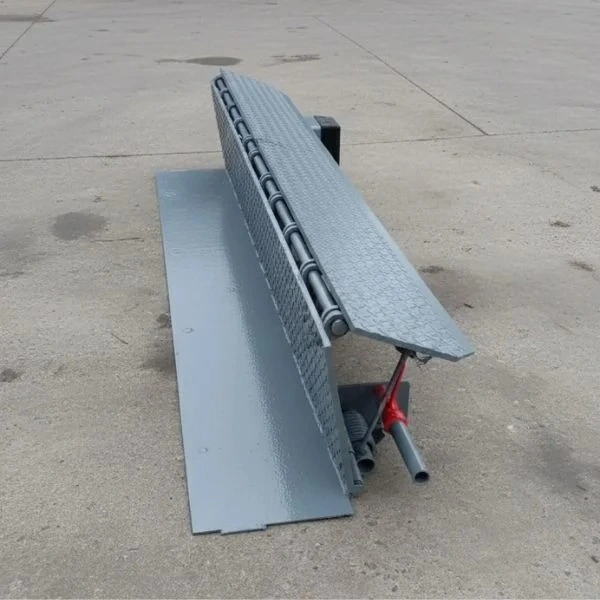
Structurally, the manual dock leveler consists of a main platform made of high-strength steel or aluminum and a hinged lip made of steel. The top surface of the platform is covered with anti-slip patterned sheet, providing a safe surface for forklift and pallet truck traffic. The gas spring mechanism allows the operator to lift the platform with minimal physical effort and helps the leveler stay fixed in the desired position. When not in use, some models can be brought to a fully vertical position and locked, so they take up no extra space in the loading area and do not obstruct traffic flow within the facility.
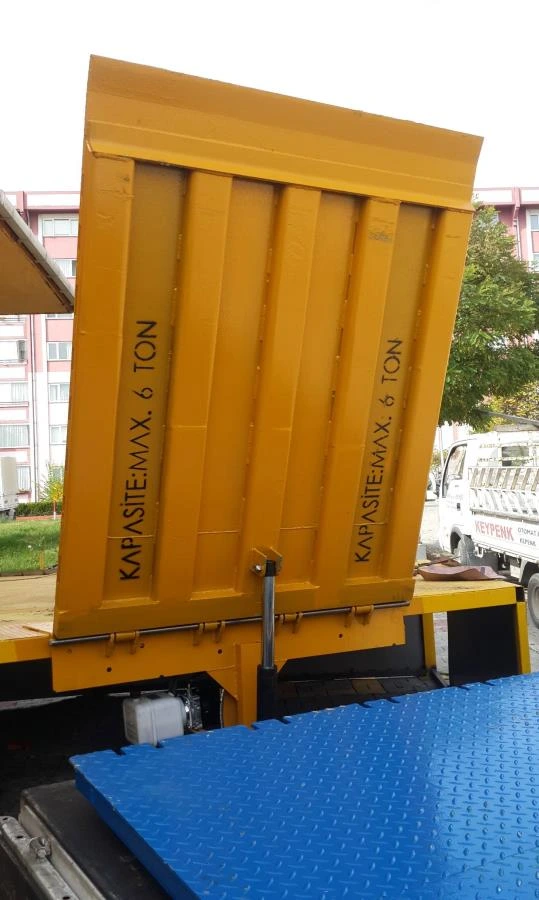
Manual dock levelers have an average dynamic load capacity of 6 tons; in custom-made models this capacity can be increased to 8 tons. Standard sizes are 2000×630 mm for mini models and 2000×2000 mm for vertical models. Custom sizes can also be produced according to the facility’s site conditions. Offering pit-mounted or edge-anchored installation options, the manual dock leveler is a practical and reliable solution for facilities that do not want to invest in infrastructure or whose electrical installation is not suitable.
Discover Our Manual Dock Leveler Solution That Works Without Energy Costs
Share your loading point dimensions, vehicle types and daily loading frequency; we will prepare a turnkey manual dock leveler quote, including installation, with the right capacity for your facility.
How Is a Manual Dock Leveler Used?
Using a manual dock leveler is extremely simple and intuitive compared to hydraulic systems. After the vehicle docks at the loading point, the operator releases the leveler’s locking mechanism. Thanks to the gas spring or counterweight support, the platform lifts easily; after the operator brings the platform to the desired height, the hinged lip opens forward and rests on the vehicle body. The whole operation is completed by one person in a few seconds without any electric or hydraulic power source. When loading or unloading is finished, the operator folds the lip back and lowers the platform, returning the leveler to its parked position.
The most important point to note during use is correct alignment of the leveler with the vehicle body. The vehicle should dock straight on at the loading point, and the lip should rest fully on the body. Forklifts or pallet trucks should not pass until you are sure the gap between the leveler and the vehicle is completely closed. Rubber dock bumpers absorb impacts the vehicle may cause on the leveler while docking, protecting both pieces of equipment. During loading, the vehicle’s parking brake must be applied and, if possible, wheel chocks should be placed.
Manual dock levelers require much less maintenance than hydraulic systems; however, regular checks are still necessary. Whether the gas springs have lost pressure, the lubrication of the hinges, whether the locking mechanism is working properly and the wear level of the non-slip surface should be checked periodically. These simple maintenance routines ensure the manual dock leveler can be used safely and efficiently for many years.
Manual Dock Leveler Sample Product Images
Manual Dock Leveler Product Video
For Which Loading Operations Is the Manual Dock Leveler Preferred?
The manual dock leveler is preferred as an economical alternative to hydraulic levelers in facilities with low or medium loading frequency. Not requiring an energy source and having a simple mechanical structure, it can adapt to many different loading scenarios. The main loading operations where it is preferred are:
Low and Medium Frequency Shipping Points: Small and medium-sized warehouses, workshops and production facilities where a few vehicles dock each day are the most natural area of use for the manual dock leveler. In such facilities, the number of daily loadings does not economically justify a hydraulic leveler investment; the manual dock leveler performs the same basic function at a much lower cost.
Facilities Without or With Limited Electrical Infrastructure: The manual dock leveler is an ideal solution for older buildings, temporary storage areas, open-air storage and sites where the electrical installation is unreliable. Being able to operate without depending on any power source ensures that loading operations continue without interruption in such areas.
Businesses Working with a Fixed Vehicle Fleet: In businesses that regularly work with a standard fleet of vehicles of the same height, the leveler does not need to constantly adapt to different vehicle heights. Since the manual dock leveler offers a reliable transition platform within a fixed height range, it is perfectly suited to such operations.
Pallet Truck-Based Loading Operations: In light and medium-weight loading operations carried out with pallet trucks or hand carts instead of forklifts, the manual dock leveler provides sufficient load capacity. Small-scale distribution points and retail warehouses doing pallet-based loading can be evaluated in this category.
Backup or Secondary Loading Points: In large facilities with hydraulic levelers at the main loading doors, it is common practice to install manual dock levelers at secondary or backup loading points. Activated during busy periods, these points increase the facility’s total loading capacity with low investment cost.
Advantages of the Manual Dock Leveler
The most obvious advantage of the manual dock leveler is that it operates with zero energy costs. Since it needs no power source such as electricity, a hydraulic pump or a motor, it adds no energy expense to the business. This offers an important economic advantage, especially when energy costs are high and in facilities with limited electrical infrastructure. The initial investment cost is also significantly lower than hydraulic and telescopic levelers; additional infrastructure costs such as concrete pit preparation, electrical installation and hydraulic unit installation are eliminated or minimized.
Thanks to its simple mechanical structure, the manual dock leveler is the leveler type with the lowest maintenance requirements. Since there are no components requiring regular service such as hydraulic hoses, pumps, valves and cylinders, the risk of failure and maintenance costs are very low. Periodic checks of the gas springs, lubrication of the hinges and wear checks of the non-slip surface make up almost the entire maintenance routine of the manual dock leveler. This low maintenance need makes the total cost of ownership much more advantageous in the long run than other leveler types.
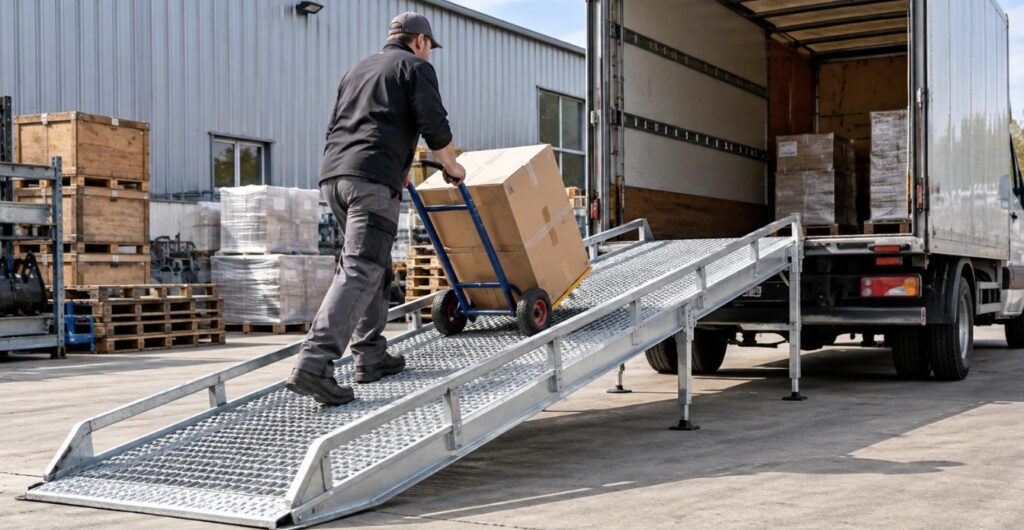
What to Consider Before Buying a Manual Dock Leveler
Before buying a manual dock leveler, it is critical to correctly analyze the facility’s loading profile. How many vehicles will dock each day, their types and body heights, whether forklifts or pallet trucks will be used for loading and the average weight of the loads are the basic parameters that determine whether a manual dock leveler is suitable for the facility. The manual dock leveler is suitable for facilities loading anywhere from a few to dozens of vehicles a day; however, at busy shipping points where hundreds of vehicles dock each day, a hydraulic or telescopic leveler will be more efficient. If the body heights of vehicles docking at the loading point vary greatly, whether the manual leveler’s working range (usually +350 / -300 mm) can cover this difference should also be evaluated.
The product’s structural quality and safety equipment should be as decisive as price. The thickness and material quality of the platform sheet (steel or aluminum), the adequacy of the non-slip surface pattern, the brand and life of the gas springs, the durability of the hinge mechanism and the reliability of the locking system are technical parameters to consider when comparing offers. Whether safety elements such as rubber dock bumpers, side guards and a vertical locking mechanism are included as standard should be checked. Whether a motor can be added to the manual system later if needs change is also an important factor affecting the long-term investment decision.
ALD Door offers site survey and technical consultancy for your manual dock leveler projects and determines together with you the solution best suited to your facility’s loading profile and budget.
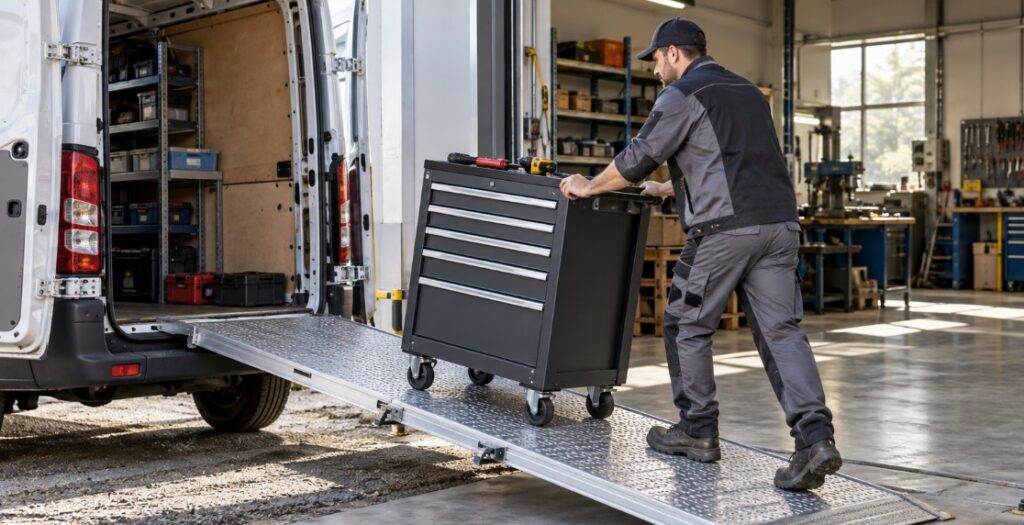
Manual Dock Leveler Prices
Manual dock levelers are the models with the most affordable price range in the dock leveler category, because they have no costly components such as a hydraulic pump, motor, valves and control panel. Nevertheless, there are various variables that determine the price. The leveler’s load capacity (6 or 8 tons), platform dimensions (mini model or standard vertical model), body material (steel or aluminum), gas spring brand and quality, hinged lip length and non-slip sheet thickness are the main technical parameters that directly affect the price range. Optional equipment (side protection barriers, platform toe guards, safety locks, preparation for adding a motor later) may add to the cost of the standard configuration.
The price advantage of the manual dock leveler is not limited to the product cost; it also provides significant savings in infrastructure and operating costs. Additional infrastructure costs required for hydraulic levelers, such as concrete pit preparation, electrical connection and hydraulic unit installation, are either completely eliminated or minimized with the manual dock leveler. Installation is quick and can usually be completed within a day. Energy costs during operation are zero and maintenance costs are much lower than other leveler types. When all these factors are considered together, the total cost of ownership of the manual dock leveler is significantly lower than that of hydraulic systems.
ALD Door, follows a transparent and comparable policy in manual dock leveler pricing. We assess your facility’s structural condition and loading needs on site and offer a turnkey quote including installation. Contact us for current manual dock leveler prices and technical details.
Contact Us
You can send us any request, suggestion or complaint regarding our company, products and services: