Standard Dock Shelter
A standard dock shelter is a piece of loading equipment that closes the gap between the vehicle and the building in loading and unloading areas, so that the shipping process is less affected by outdoor conditions. Generally used in warehouses, factories, logistics centers, production facilities and shipping areas, these systems work on the principle that, after the vehicle docks at the loading point, the top and side PVC curtains come into contact with the outer surface of the vehicle body. This reduces gaps that may form around the open loading door and limits rain, wind, dust and outside air from reaching the interior directly. Especially in facilities with regular vehicle traffic, standard dock shelters help staff carry out operations in a more controlled environment and protect products from outdoor conditions during loading.
The basic structure of the system consists of a rear supporting section fixed to the building facade, a movable front frame, side and top curtain groups, and a flexible mechanism connecting these two sections. The curtains at the front are usually made of PVC-coated polyester with high resistance to wear and tearing. When the vehicle reverses into the shelter, these curtains apply a certain pressure on the top and side surfaces of the vehicle, narrowing the surrounding gap. The flexible or retractable frame structure reduces the risk of limited contact during docking directly damaging the shelter. However, for the system to work efficiently, not only the quality of the shelter but also the loading door size, the vehicles’ body height and width, the docking distance and the site geometry must be evaluated correctly.
Standard Dock Shelter Sample Product Images
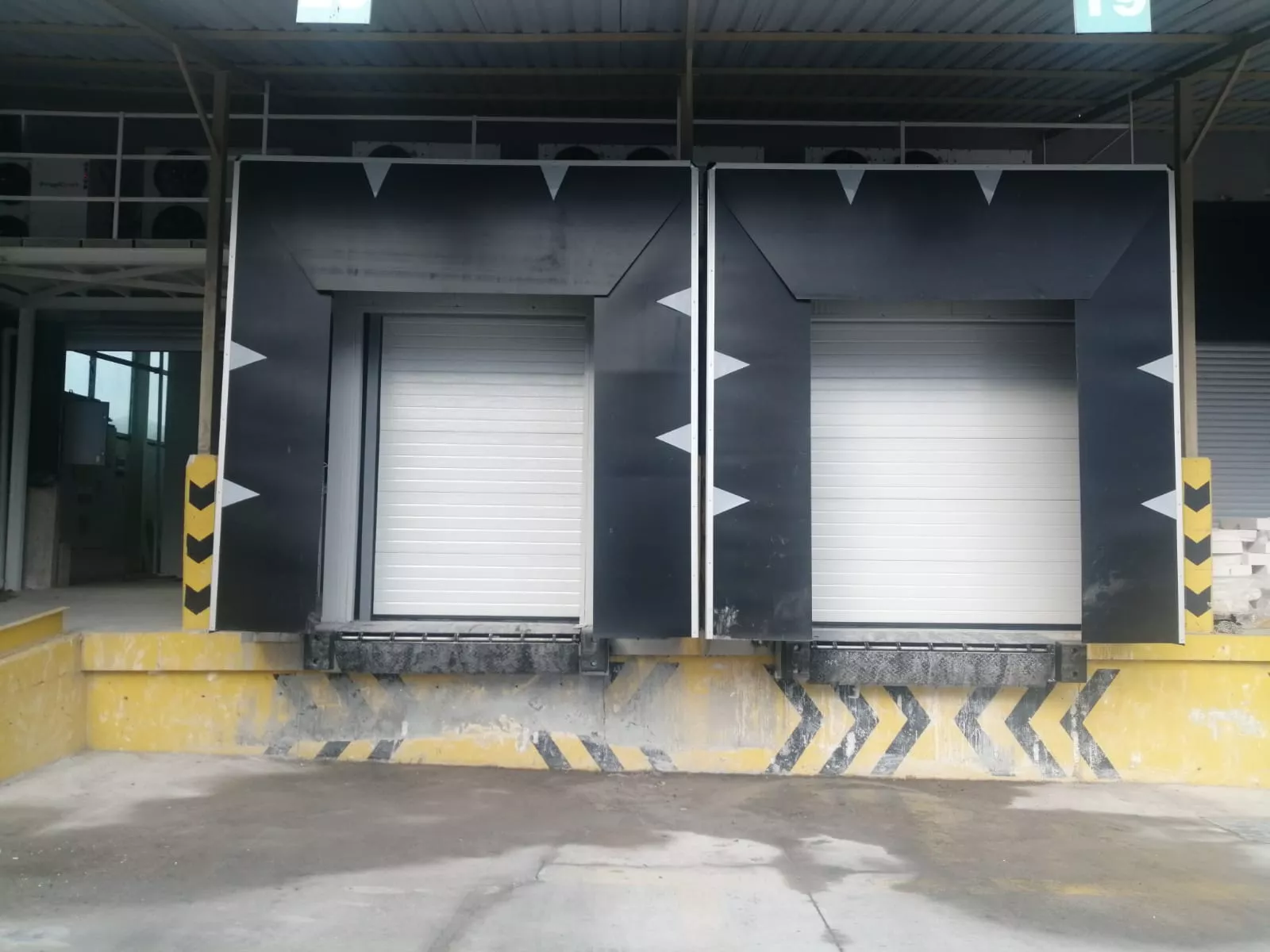
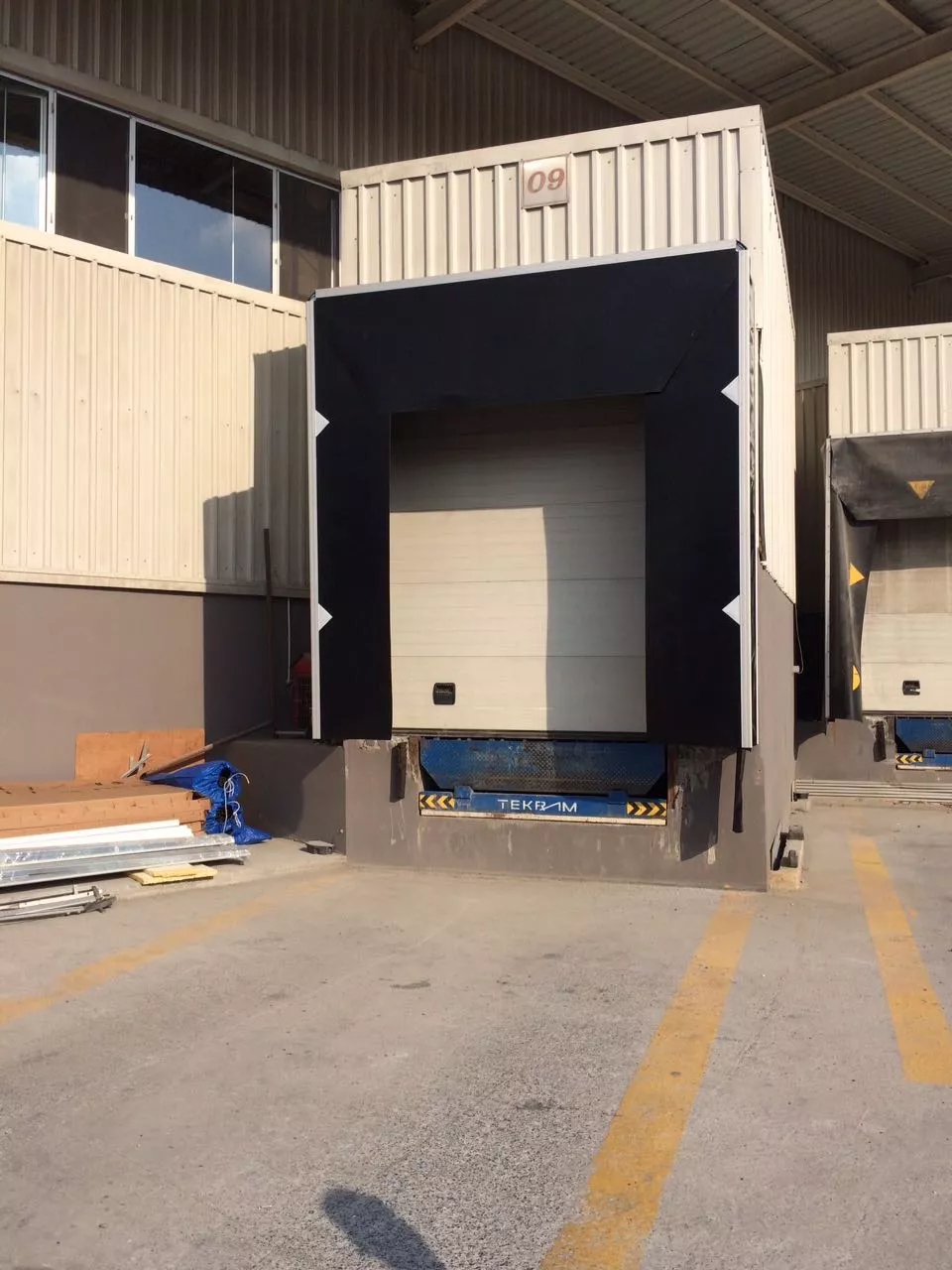
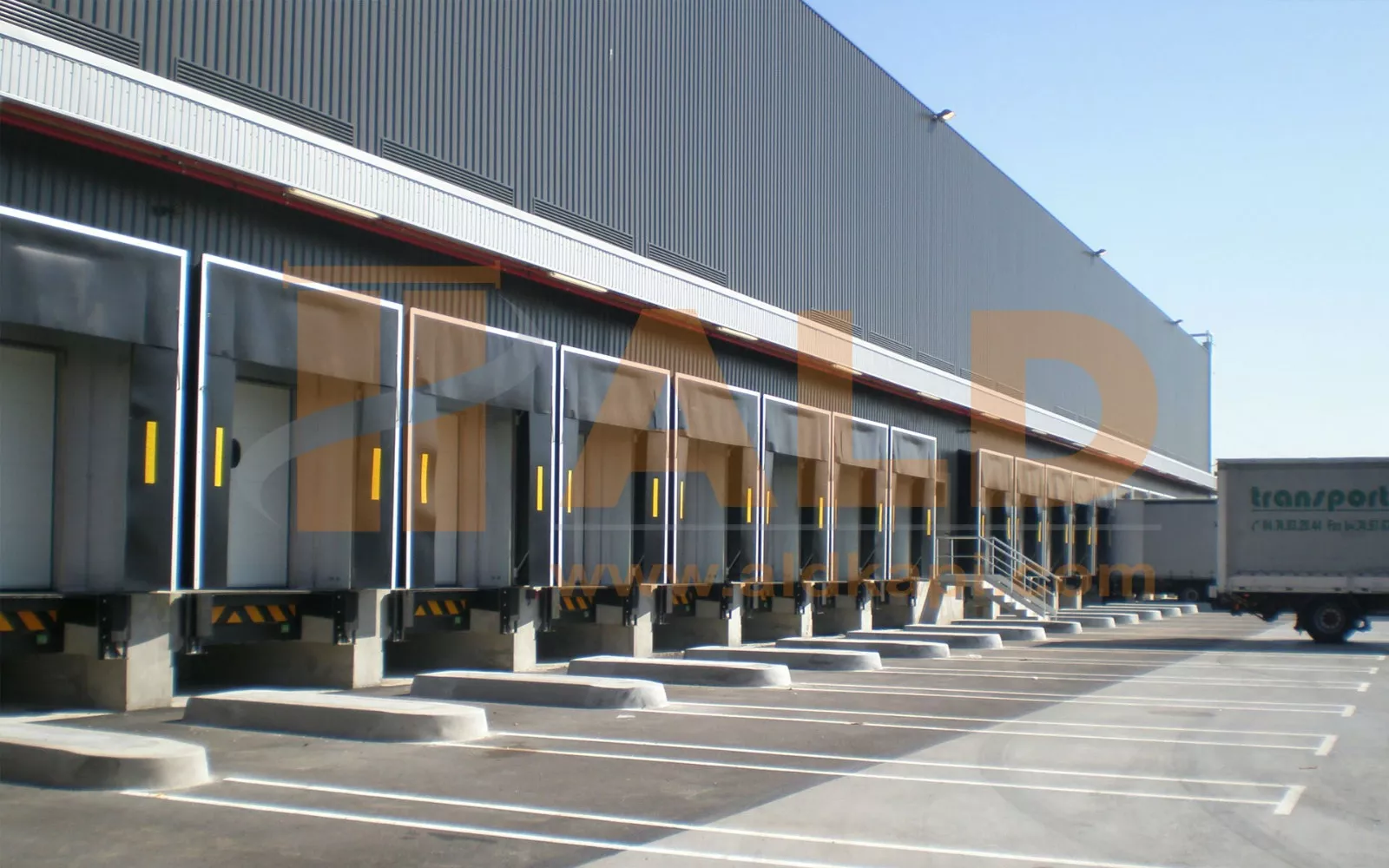
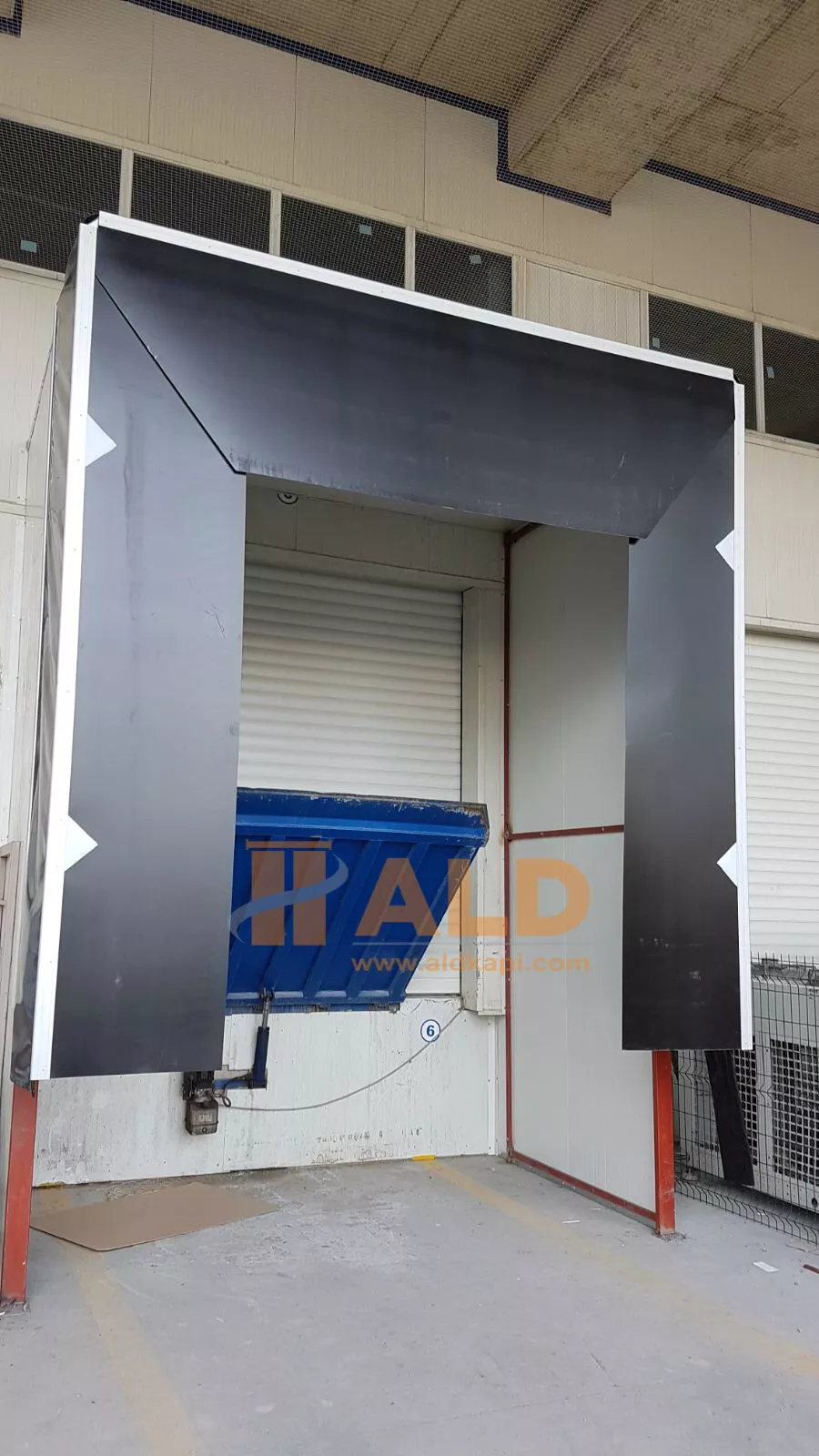
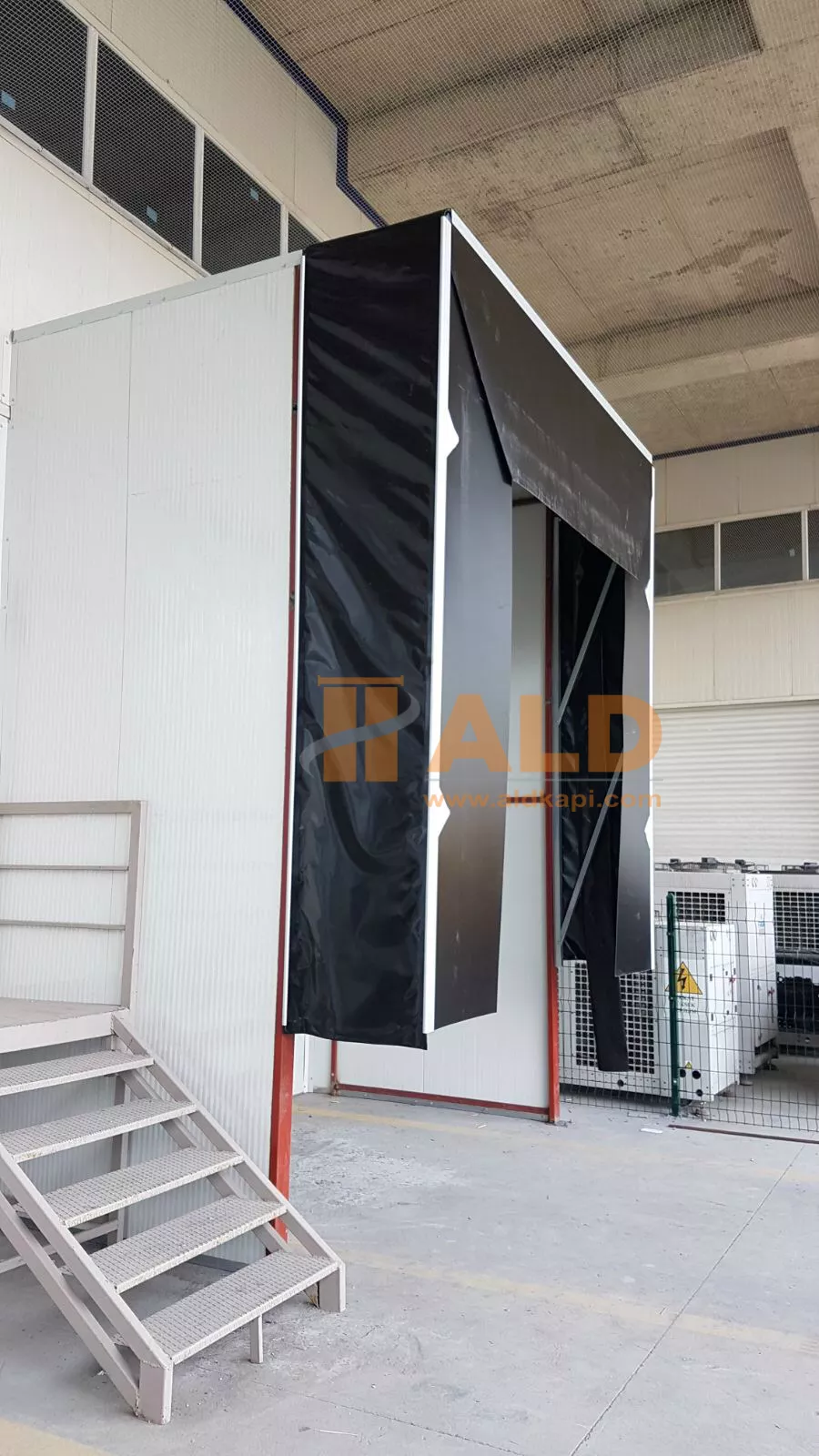
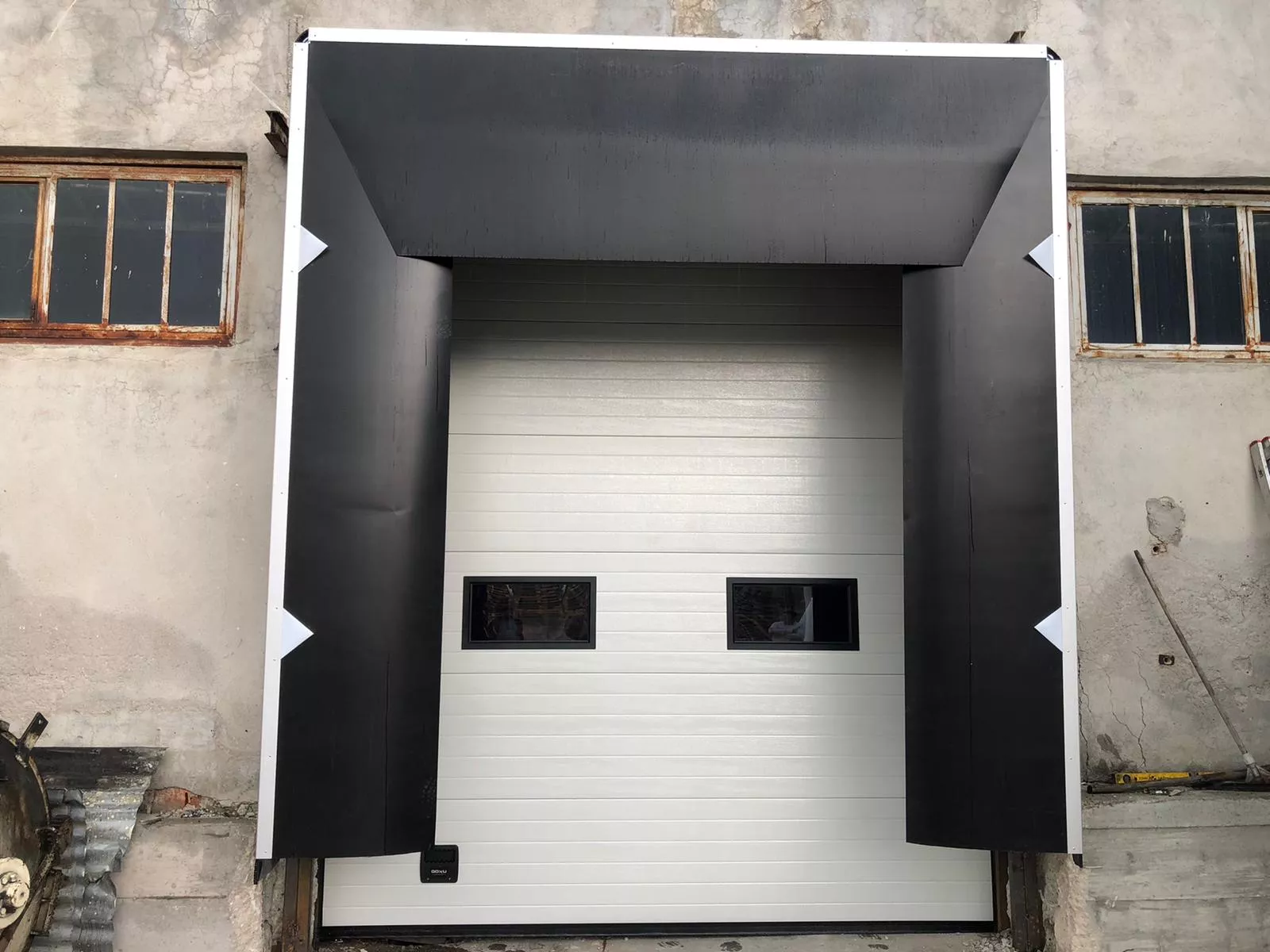
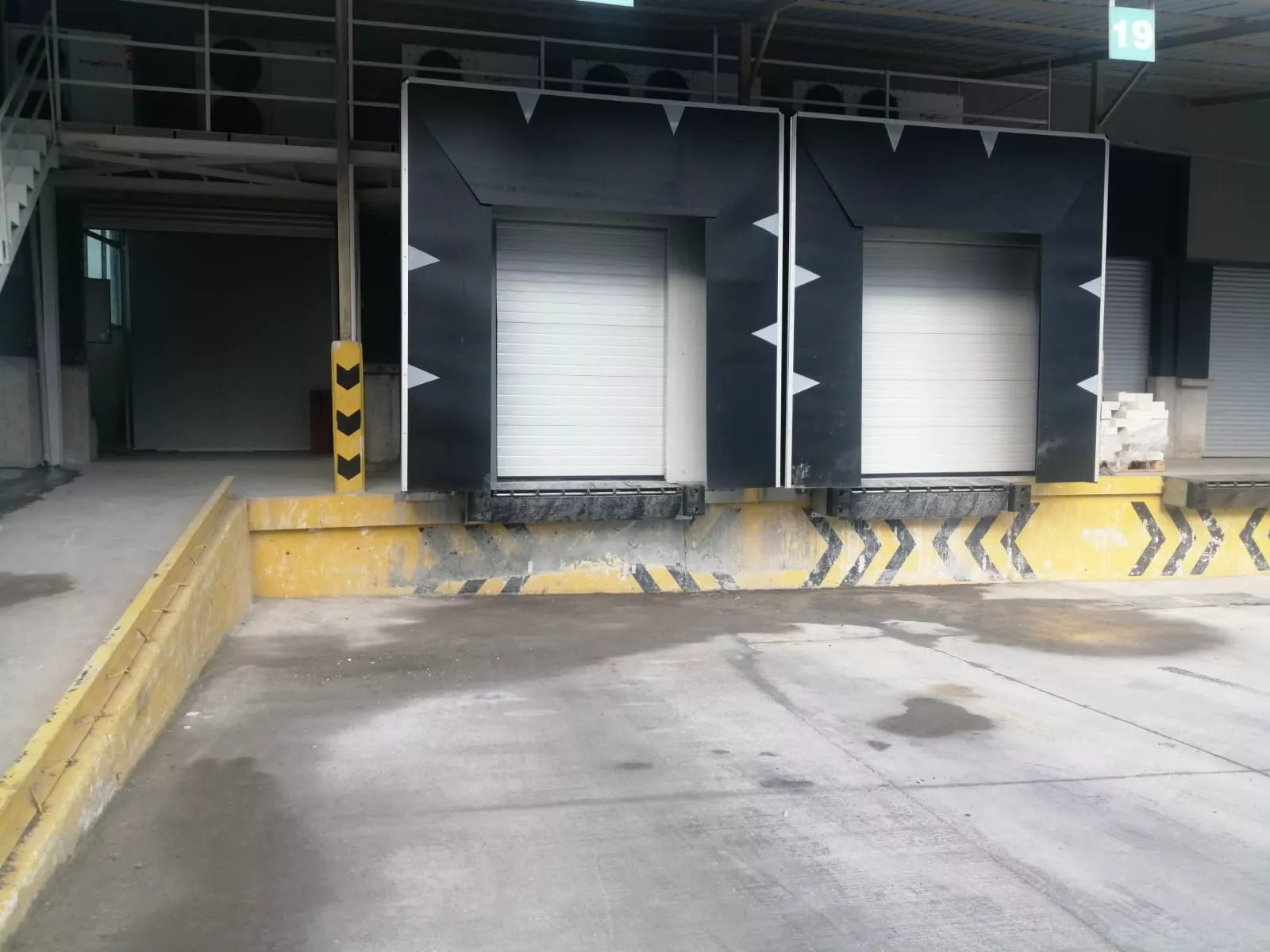
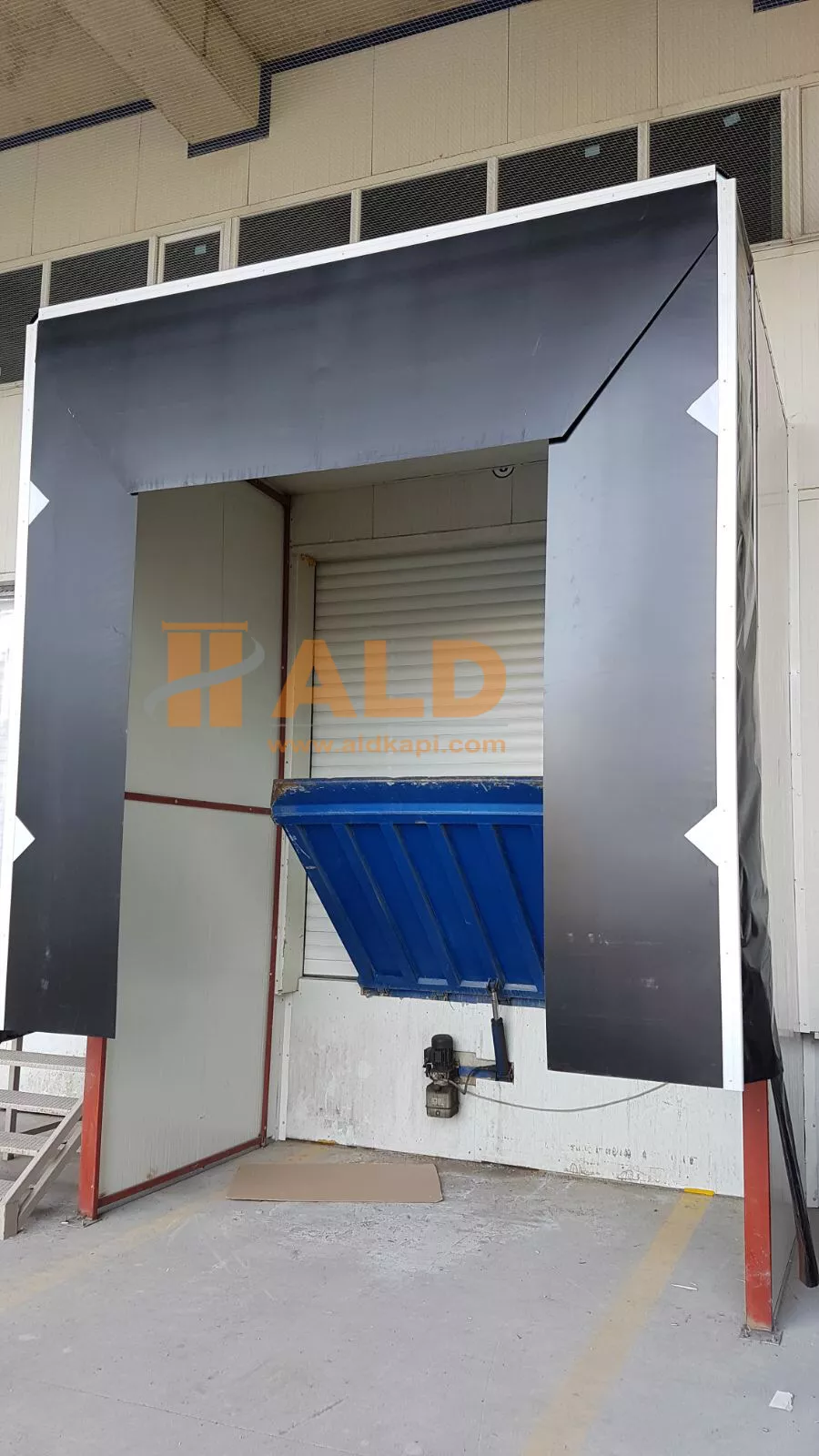
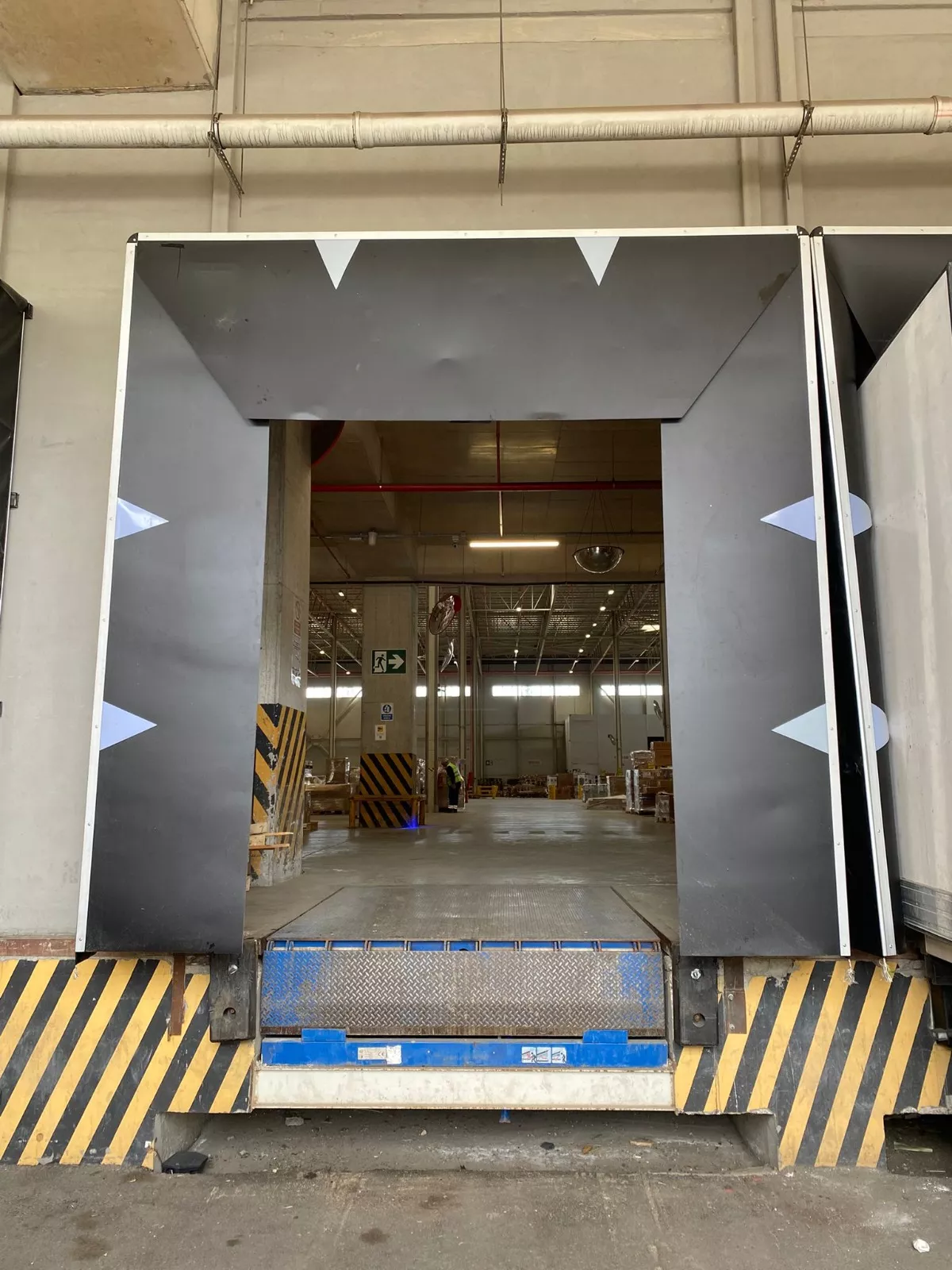
Standard Dock Shelter Prices
Standard dock shelter prices vary depending on the system’s dimensions, the curtain and frame materials used and the conditions of the installation area. The starting price for standard-size applications is shown below. For projects requiring custom dimensions or an additional frame, the price is finalized after evaluating the loading area. ALD Door to get a quote specific to your project.
Let’s Determine the Right Standard Dock Shelter Solution for Your Facility Together
Share your loading door dimensions, vehicle types and daily shipment intensity; we will prepare a standard dock shelter quote suited to your project, including shelter dimensions, curtain structure and installation conditions.
How Does a Standard Dock Shelter Work?
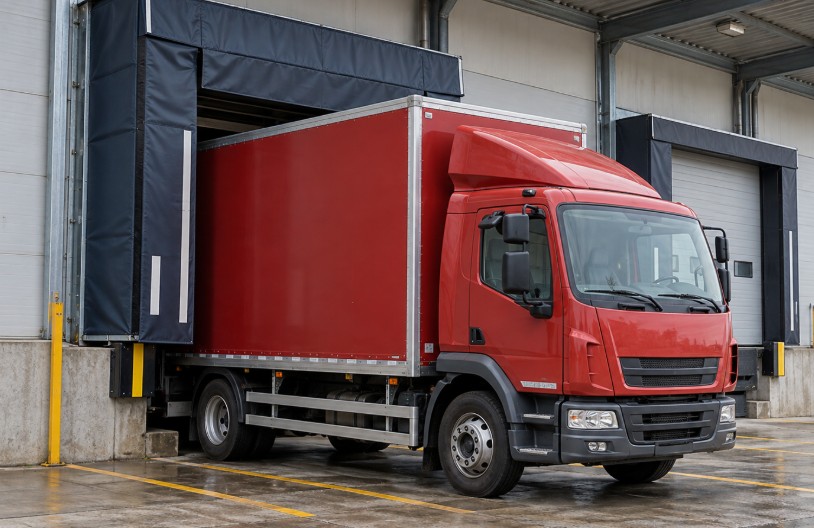
The operation of a standard dock shelter begins when the vehicle reverses toward the loading area. As the vehicle moves toward the center of the shelter in front of the loading door, the side and top PVC curtains come into contact around the rear of the vehicle body. When the vehicle reaches sufficient docking distance, the curtains flex toward the vehicle surface and close a significant part of the open areas between the building and the vehicle. This physical contact helps reduce direct air passage between the outside and the warehouse when the loading door is opened. Standard dock shelters have no motorized inflation system; sealing is achieved by the vehicle docking into the shelter and the contact the flexible curtains make with the vehicle body.
In most systems, the front frame of the shelter has a flexible structure that can absorb controlled movements caused by vehicle docking. Cross-arm or similar retractable mechanisms allow the front section to move back if the vehicle comes slightly closer to the shelter than expected. This reduces the load on the system from impacts that could occur with a rigid structure. However, a standard dock shelter should never be used instead of vehicle stopping equipment. Bumpers, wheel guides or other docking safety equipment suited to the loading area geometry should also be considered so that the vehicle stops at the right distance.
Once the rear doors of the vehicle body are opened, the warehouse door and dock leveler are put into use throughout loading. The side curtains of the shelter maintain contact along both edges of the vehicle body and the top curtain along the top, creating a protective boundary around the loading opening. As a result, staff are less exposed to direct rain and wind during product transfers with forklifts, pallet trucks or manual handling equipment. At the same time, in heated, cooled or temperature-controlled buildings, it helps limit energy losses while the loading door is fully open. The level of insulation provided by the shelter depends on how correctly the contact between the vehicle and the curtain is formed.
Why Choose a Standard Dock Shelter?
One of the main reasons for choosing a standard dock shelter is that it creates a more controlled transition between the outdoor and indoor environment in the loading area. Shipping doors may remain open for long periods during operations. At a loading point without a shelter, significant gaps form around the body even when the vehicle docks against the building facade. Rain, wind, dust, and hot or cold air can reach the working area directly through these gaps. The standard dock shelter reduces these gaps by bringing its side and top curtains into contact around the vehicle and allows loading to take place in a more sheltered area.
Energy control is also an important reason for using standard dock shelters. In heated or cooled facilities, large shipping doors left open can cause rapid air exchange between indoor and outdoor environments. Although a standard dock shelter does not create a fully airtight structure, it can limit air movement by closing the large gaps between the vehicle and the building. Especially in facilities with many loading and unloading operations during the day, this can help reduce the load on air-conditioning systems. In cold storage or facilities where temperature control is very sensitive, the required level of insulation should be evaluated separately and a choice made between standard and other shelter systems providing higher sealing.
What Should Be Considered When Choosing a Standard Dock Shelter?
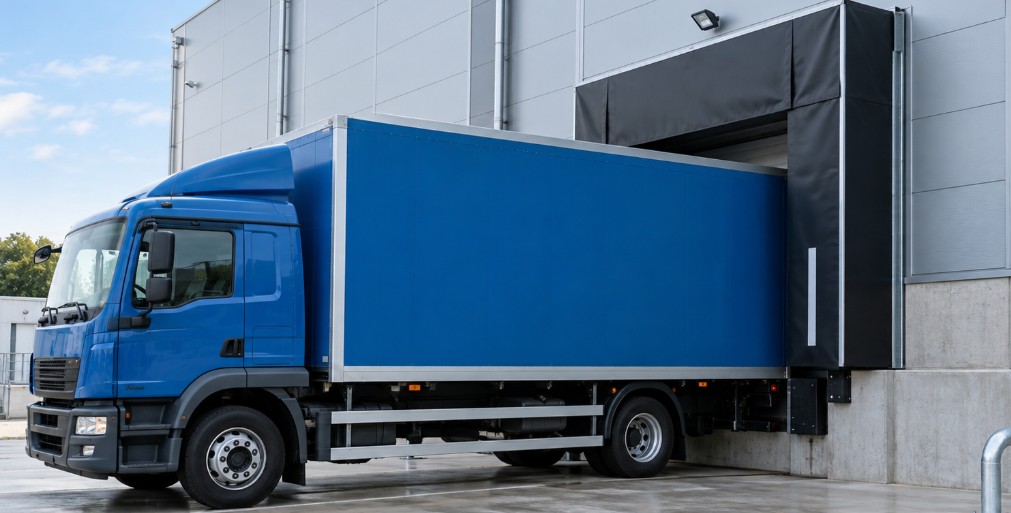
The first thing to evaluate when choosing a standard dock shelter is the dimensions of the vehicles entering the facility. Instead of measuring a single vehicle, the general characteristics of the vehicle fleet used in daily or weekly operations should be determined. The widths and overall heights of the vehicle bodies, their position relative to the loading platform and the differences between them directly affect the determination of the shelter’s dimensions. Especially when vehicles with very different body heights use the same door, a system prepared with standard dimensions may not provide the same level of sealing for all vehicles.
The position of the loading door on the building facade should also be examined during selection. The width and height of the area where the shelter will be mounted, and columns, eaves, downpipes, door mechanisms and other structural elements on the facade may affect the installation area. In addition, the height of the loading platform relative to the vehicle body and how close the vehicle can get to the building should be calculated. For the standard dock shelter to make proper contact with the vehicle, an appropriate relationship must be established between the system’s depth and the vehicle’s docking point.
The properties of the curtain material are important for long-term use. Since vehicles touch the side and top curtains every time they dock, these areas are constantly exposed to friction, flexing and environmental conditions. The tear and wear resistance of the PVC-coated polyester curtain, its resistance to sunlight and temperature changes, and the strength of the connection points should be evaluated. Especially in facilities with high shipment intensity, low-strength curtain materials may deform sooner.
What to Consider Before Buying a Standard Dock Shelter
Before buying a standard dock shelter, determining the external dimensions of the product is not enough. First, the daily operation of the loading point should be analyzed. How many vehicles dock during the day, what types they are, how long a vehicle stays in the loading area on average and whether the same door is used by vehicles of different sizes should be determined. As vehicle variety increases, designing the curtain openings and overall dimensions of the shelter becomes more important. A shelter designed too narrow can cause large vehicles to put excessive pressure on the curtains, while one that is too wide can leave open areas around small vehicles.
The vehicle approach direction and site structure should also be evaluated before the purchase decision. Whether vehicles approach the loading door in a straight line or by maneuvering, the site slope, the usable distance in front of the platform and whether there are wheel guides directing docking can affect the system’s service life. At a point where drivers constantly dock at different angles, one side of the shelter may wear more than the other. Therefore, a shelter investment should be considered together with complementary equipment such as vehicle docking guides and dock bumpers when necessary.
If temperature control is important in the facility, the expected level of insulation should also be clearly defined. Although standard dock shelters can provide sufficient environmental protection for many warehouses and production facilities, different solutions may be required in cold stores operating at very low temperatures, food facilities or areas with a large temperature difference between indoors and outdoors. In such applications, the advantages of systems that grip the vehicle more tightly, such as inflatable dock shelters, should be evaluated separately. Choosing the right product is less about choosing the system with the highest specifications and more about determining the system that meets the business’s real needs.
ALD Door, in planned standard dock shelter applications, determines the appropriate system dimensions by evaluating the physical conditions of the loading area, vehicle dimensions and the business’s operating intensity together. This creates not just a product that fits the installation point, but a loading solution that makes proper contact with the vehicles entering the facility and suits daily shipping operations.
Contact Us
You can send us any request, suggestion or complaint regarding our company, products and services: