Simple Dock Shelter
A simple dock shelter is a practical piece of loading area equipment used to reduce the gap between the vehicle body and the building at loading and unloading points. The system is based on the principle that, after the vehicle docks at the loading door, the top and side curtain sections come into contact with the vehicle body. This limits rain, wind, dust and outside air from reaching the working area directly while the loading door is open. In warehouses, factories and shipping areas, when vehicles need to transfer goods without forming a fully enclosed connection to the building, simple dock shelters are among the solutions that make the operating area more controlled.
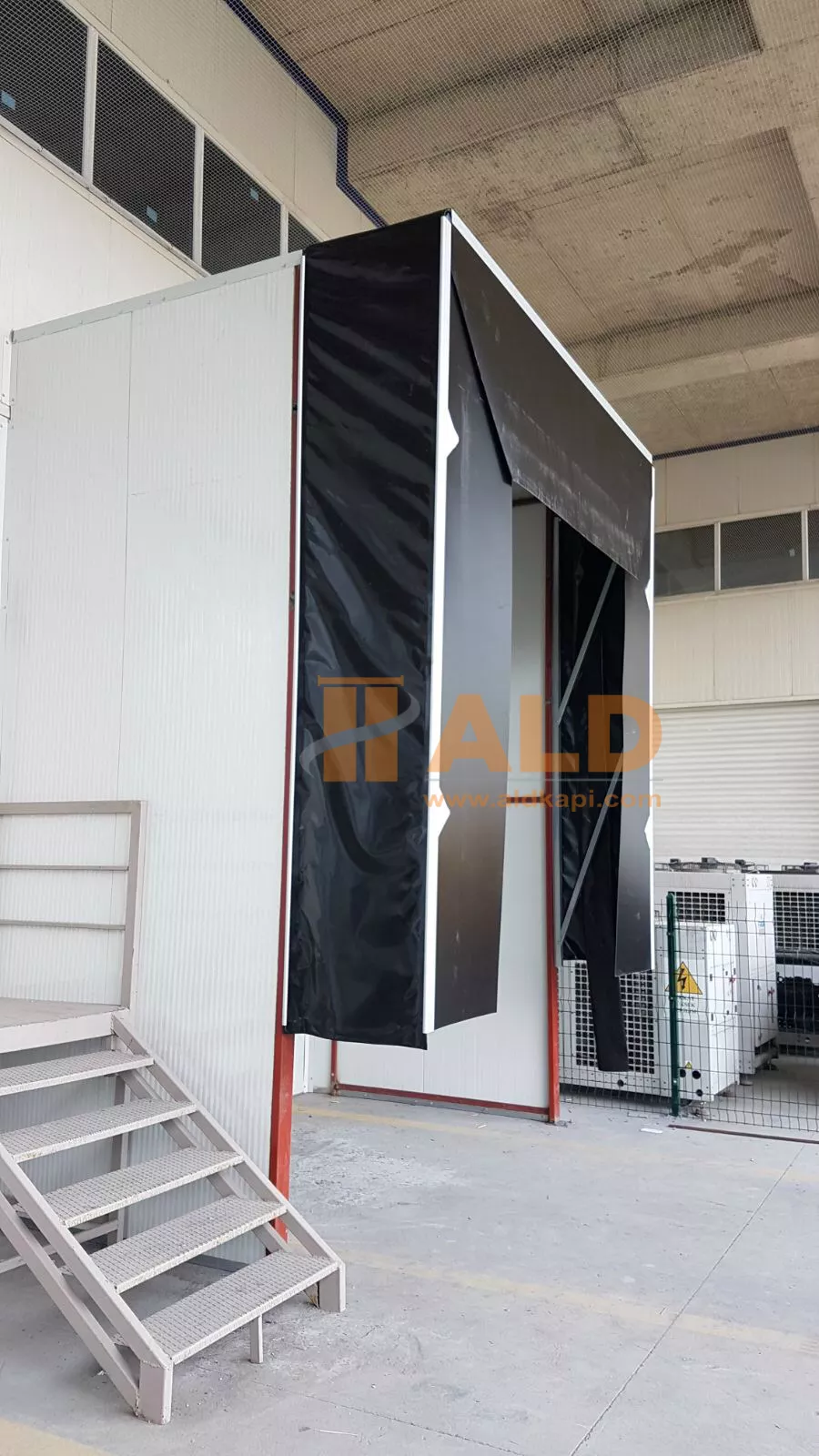
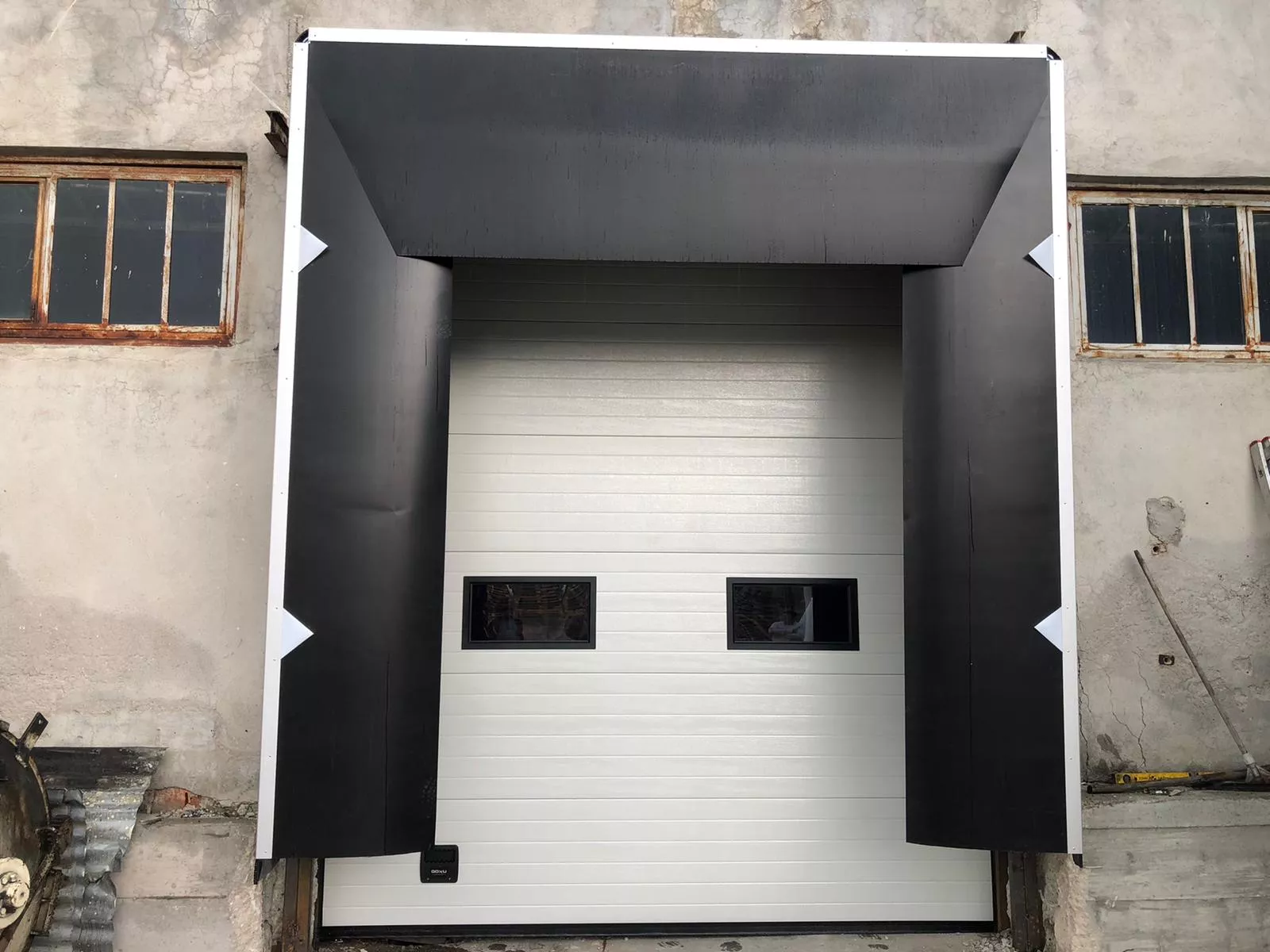
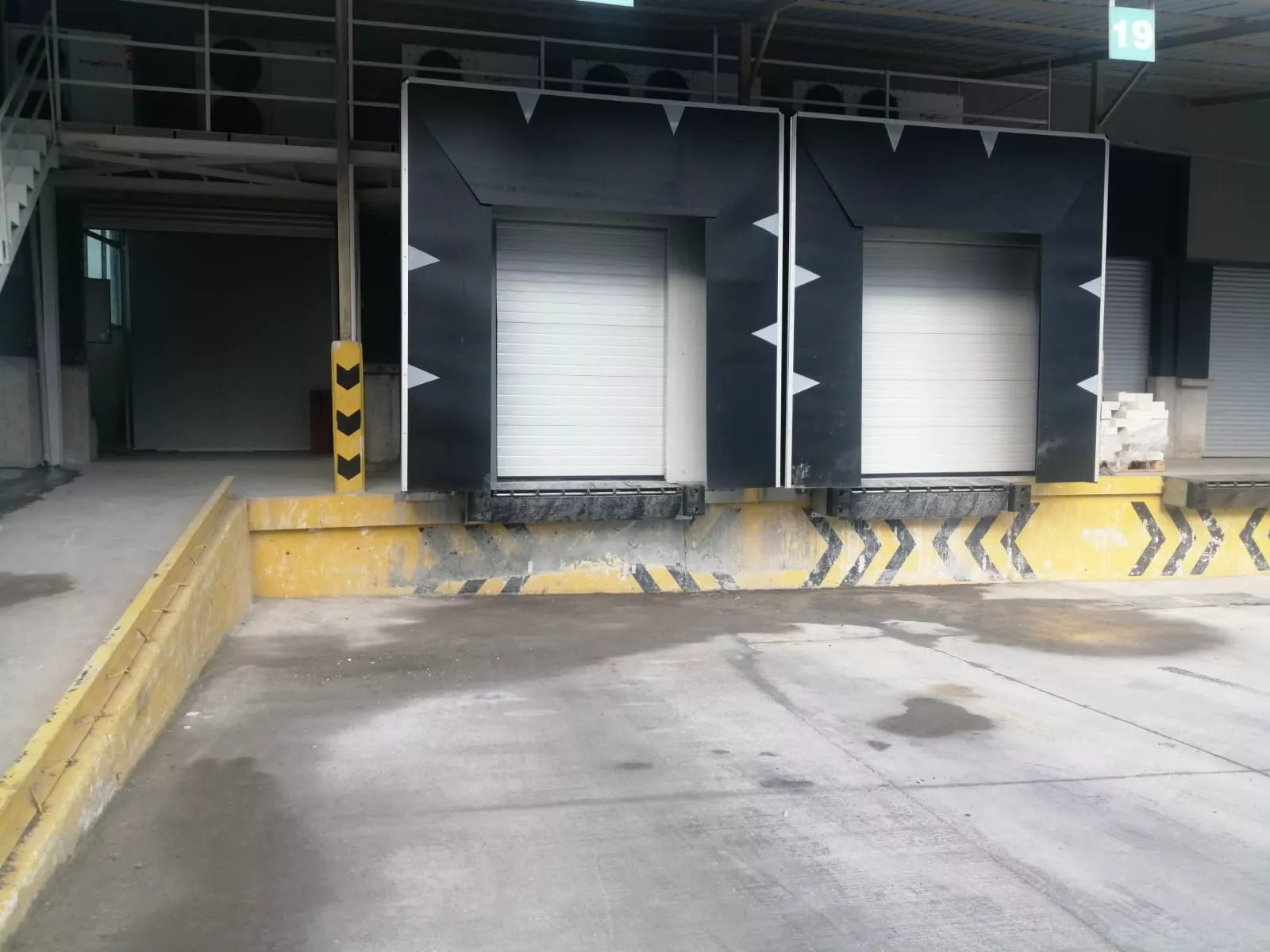
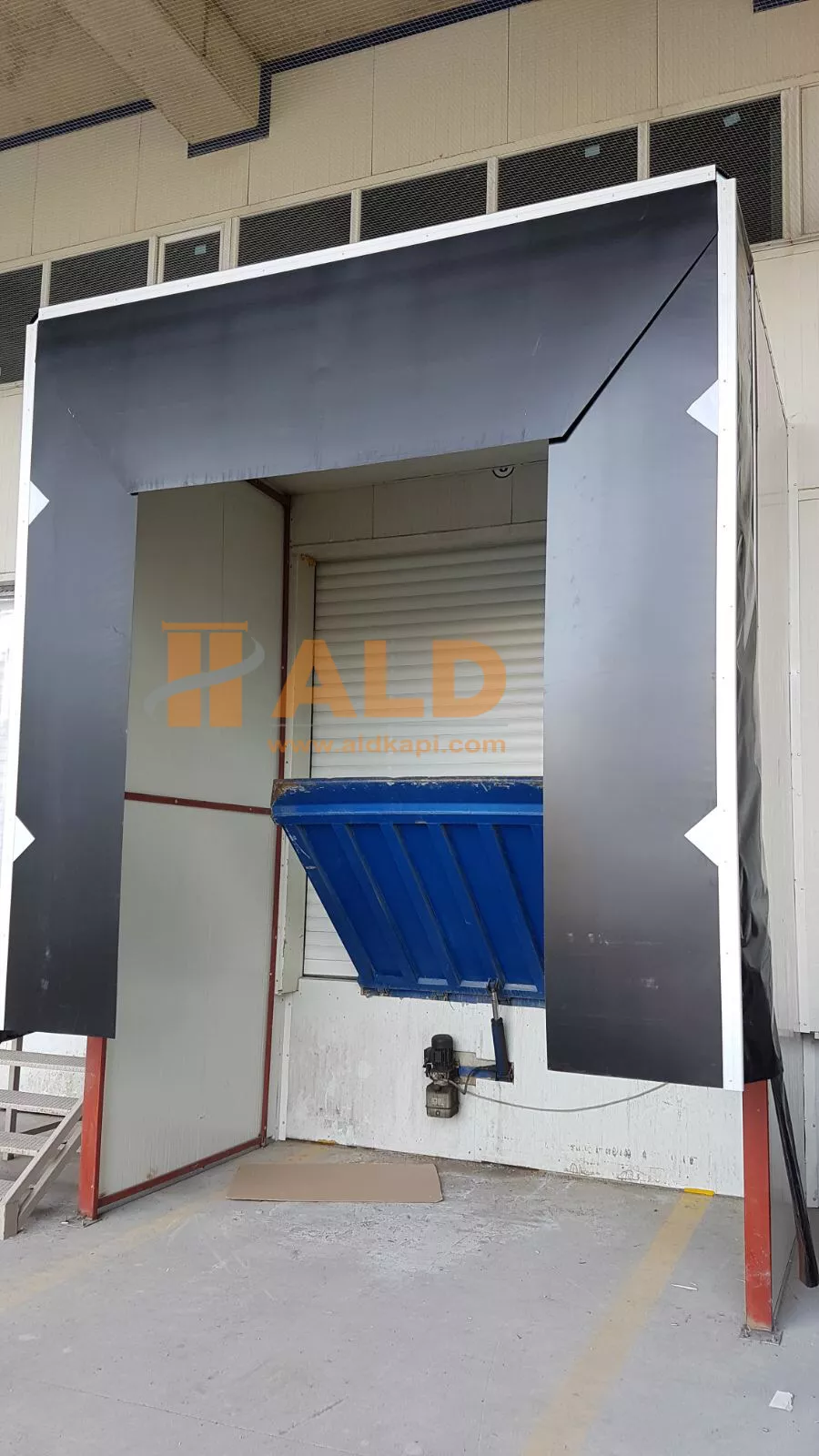
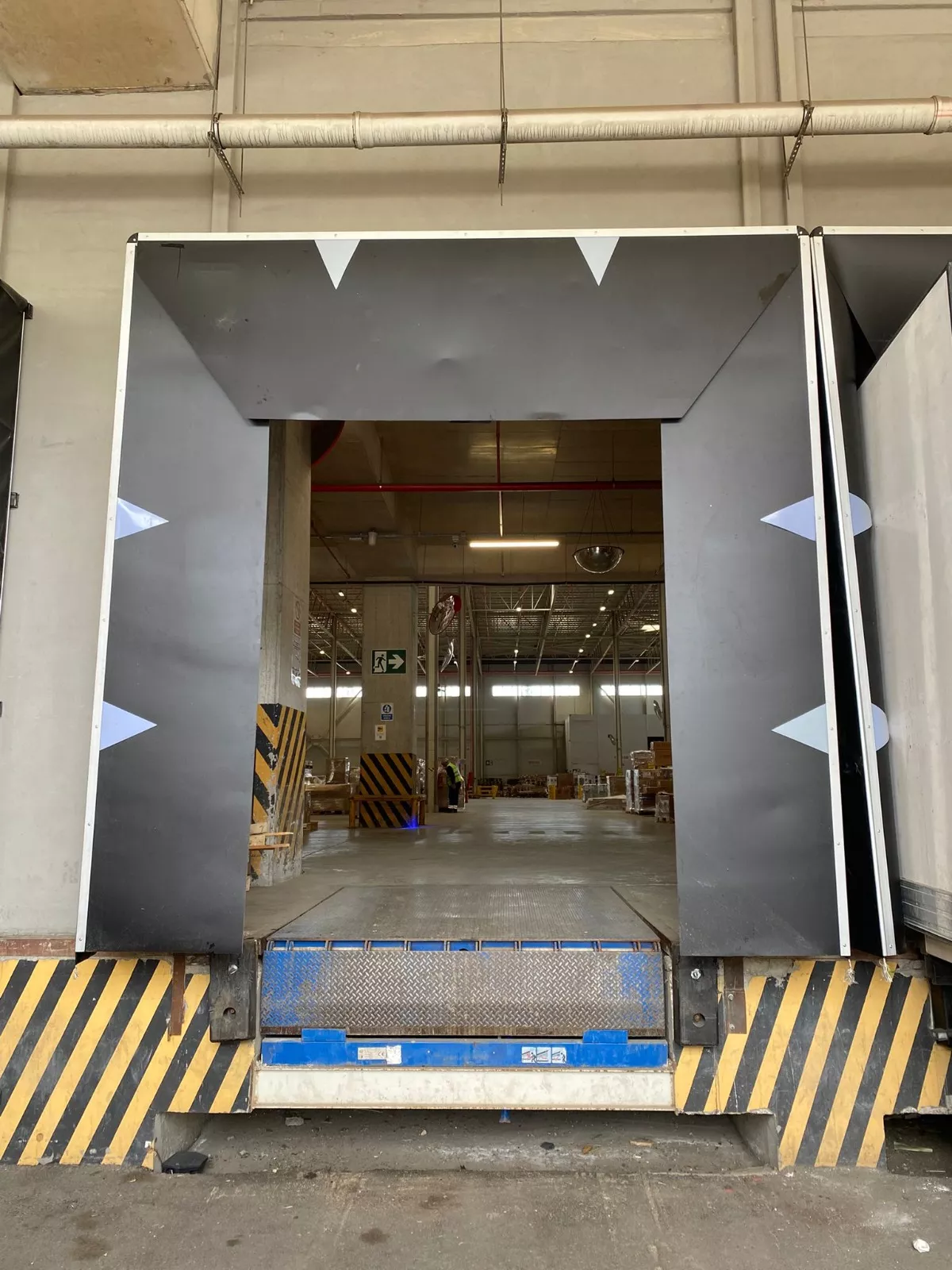
Although simple dock shelters can be produced with different details depending on their purpose, they generally consist of a metal supporting frame and top and side curtain sections that touch the vehicle surface. PVC-coated fabric or similar industrial materials resistant to friction and outdoor conditions can be used on the curtain surfaces. When the vehicle reverses into the loading area, the body enters the front opening of the shelter and the curtains flex around the vehicle, reducing the open area. The main task of the system is not to create a fully airtight connection between the vehicle and the building, but to protect the loading area from direct environmental influences as much as possible.
Let’s Determine the Right Simple Dock Shelter Solution for Your Facility Together
Share your loading door dimensions, vehicle types and daily shipment intensity; we will prepare a simple dock shelter quote suited to your project, including shelter dimensions, curtain structure and installation conditions.
Simple Dock Shelter Sample Product Images
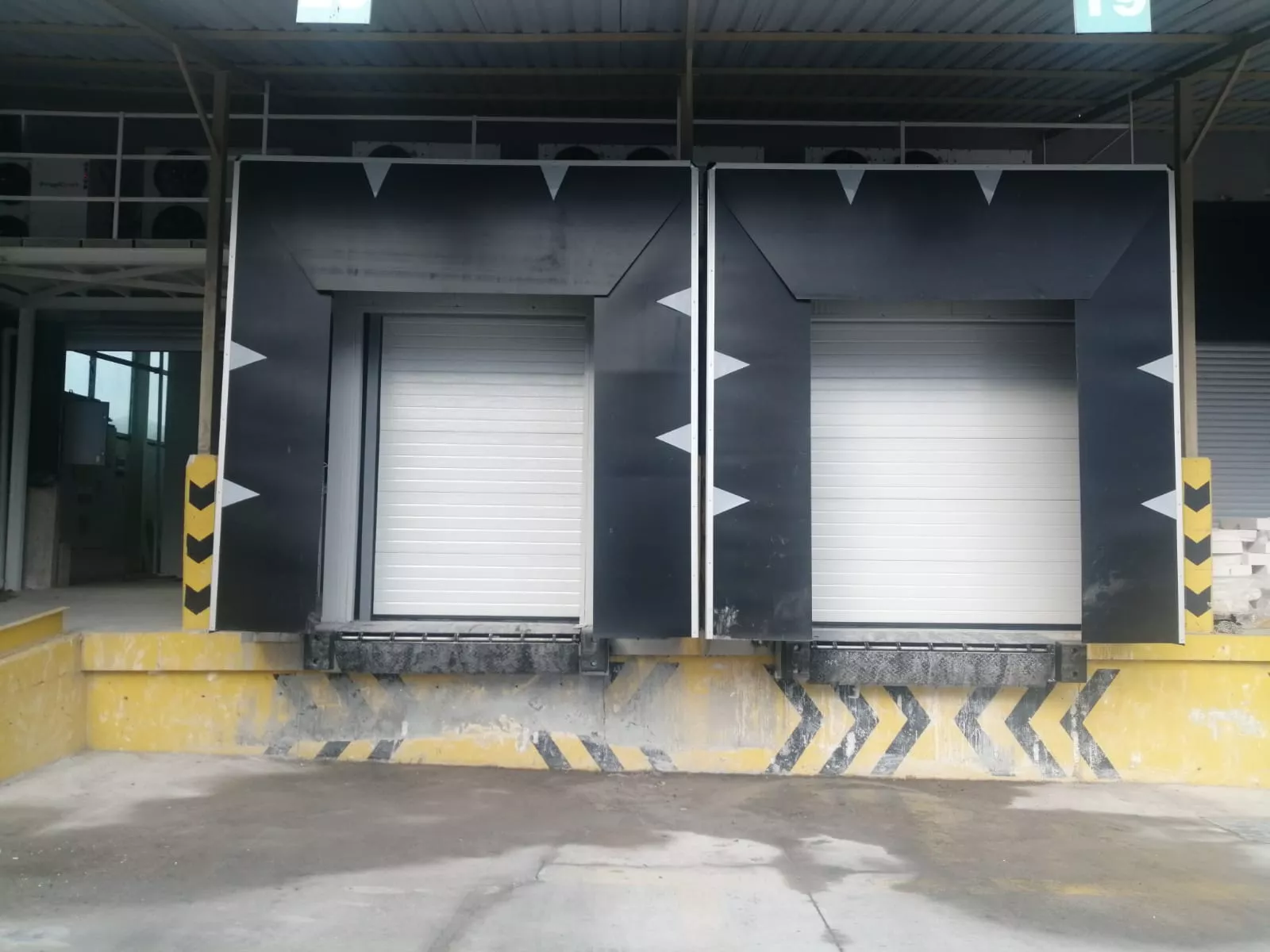
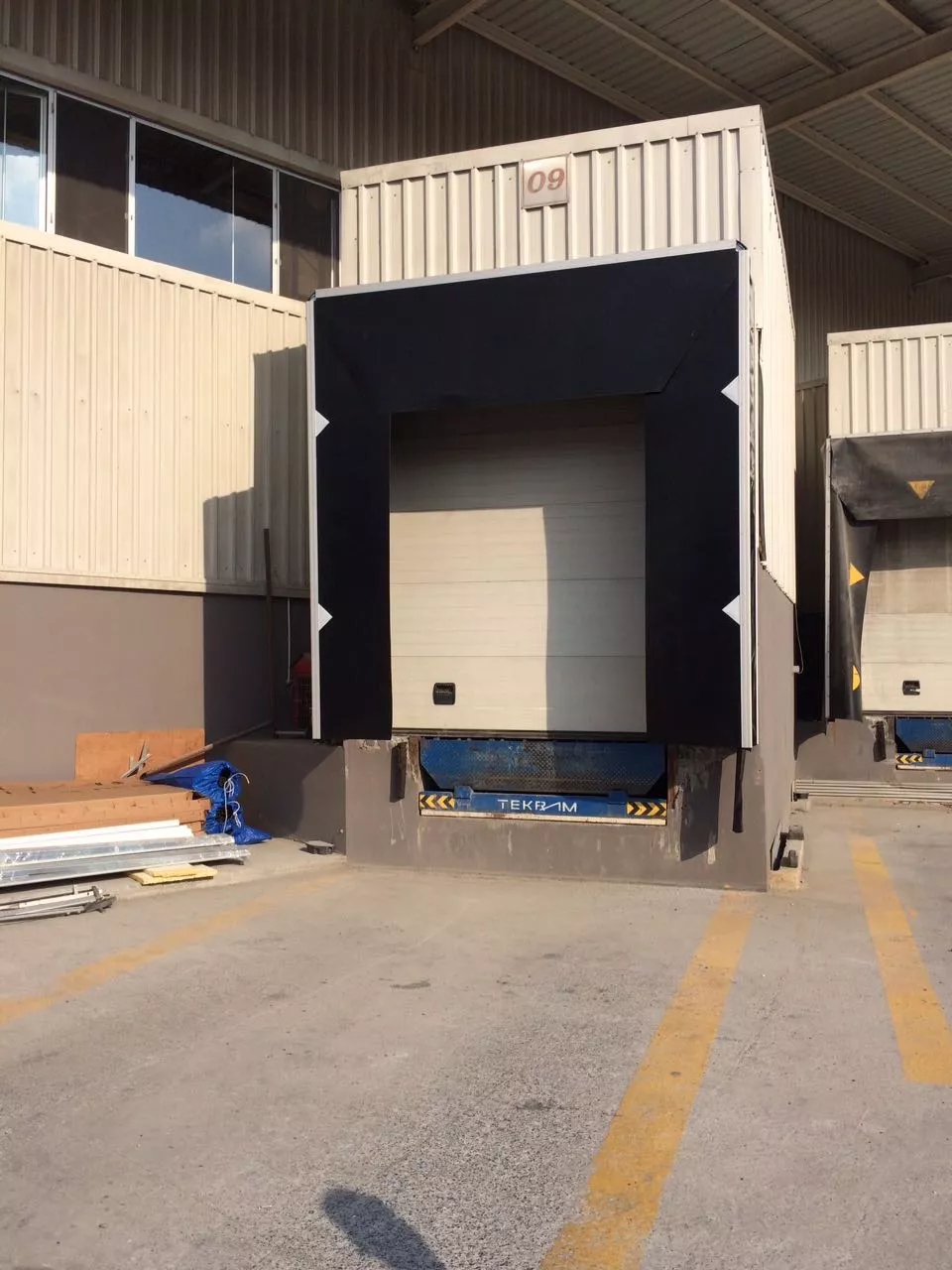
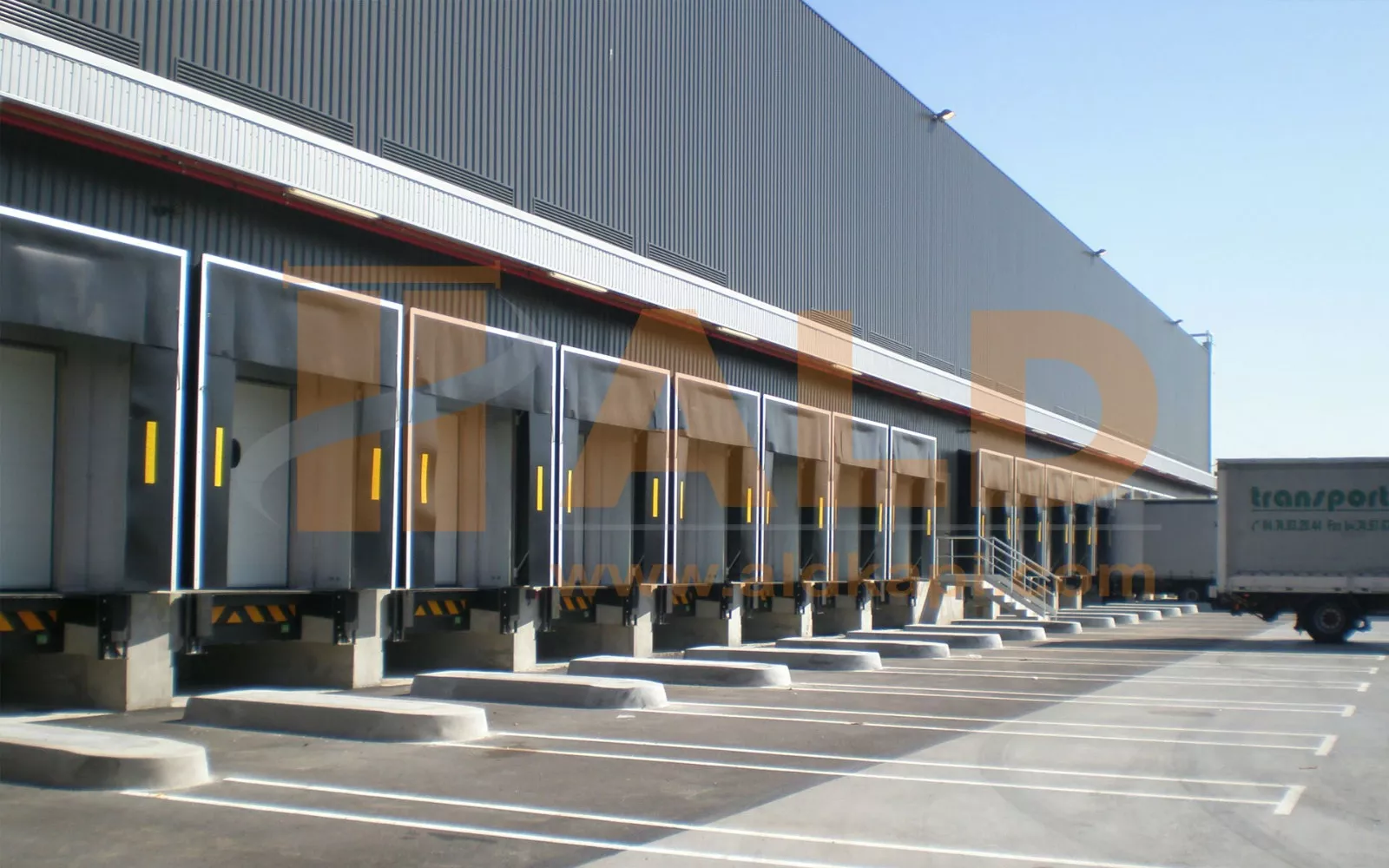
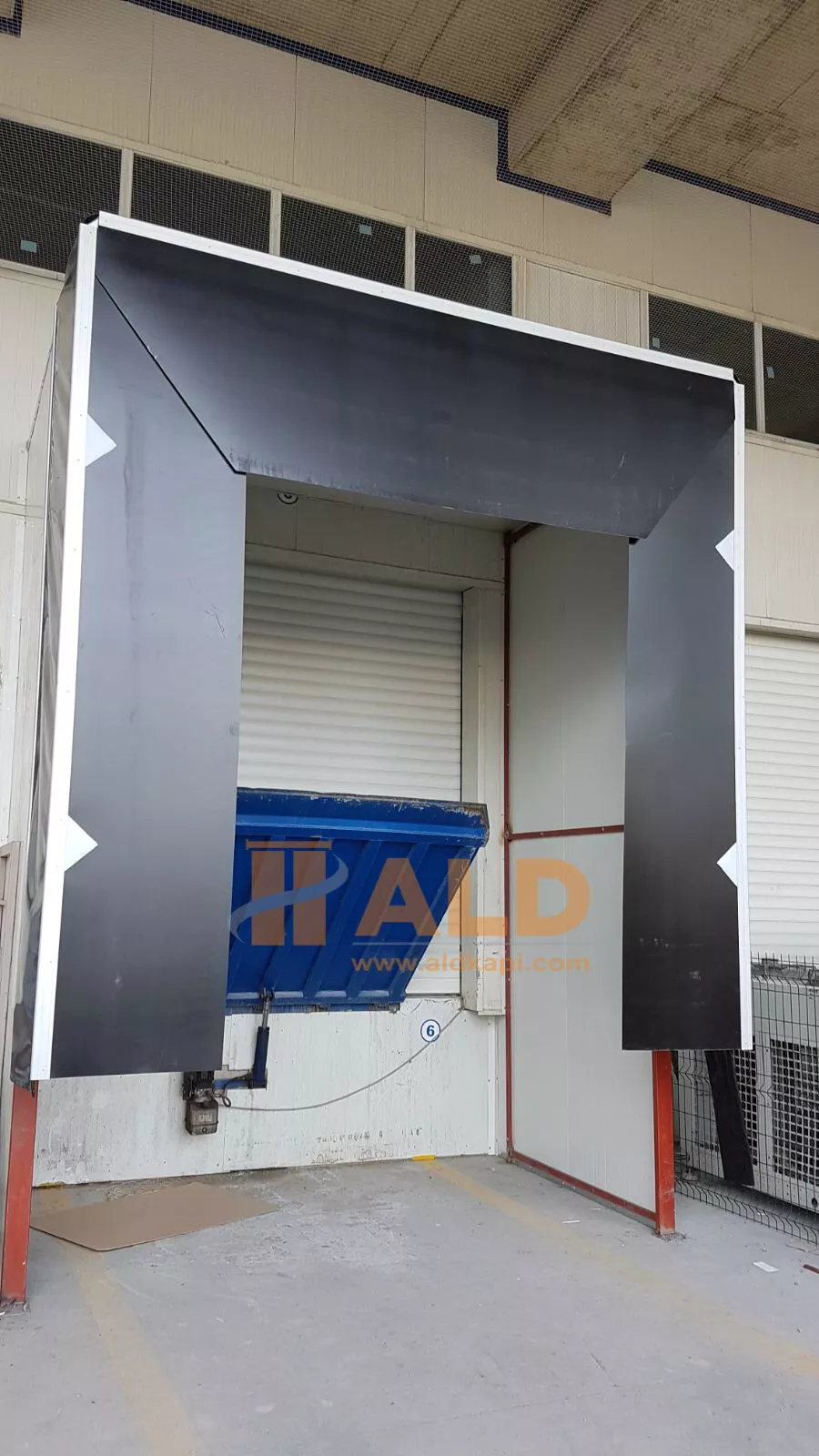
Where Are Simple Dock Shelters Used?
Simple dock shelters are used in areas where vehicles regularly load and unload and where it is desirable to limit the gap between the vehicle body and the building against outdoor influences. Areas of use may vary depending on the business’s shipment intensity, vehicle types and the physical structure of the loading point.
Warehouses and logistics centers: In warehouses and logistics centers where many vehicles come and go every day, they help reduce the gap between the loading door and the vehicle. This can limit wind, rain and dust from reaching the loading area directly.
Factories and production facilities: They can be used in production areas where raw materials are received or finished products are shipped regularly. They help create a more sheltered passage area for shipments made with forklifts and pallet trucks.
Distribution centers: In distribution centers that ship products to different regions, they provide practical environmental protection at the points where vehicles dock at the loading door. They work especially efficiently in operations using vehicles with similar body dimensions.
Retail and transfer warehouses: In transfer warehouses that send products to stores or points of sale, they help protect packaged products from outdoor influences such as rain and wind during loading.
Packaging and shipping facilities: In areas where packaged products are loaded directly onto vehicles, they make working conditions more controlled by reducing the open area around the door.
Loading points used by vehicles of near-standard dimensions: Simple dock shelters give better results especially in areas where vehicles of similar width and height use the same door. In facilities where vehicle dimensions vary greatly, the shelter size and curtain openings need to be determined more carefully.
What Needs Does a Simple Dock Shelter Meet in Loading Areas?
One of the most basic problems in loading areas is the gap between the vehicle and the building. Even when the vehicle is brought as close as possible to the loading door, a certain gap remains around the body. This gap can directly affect operations, especially in bad weather. The side and top curtains of the simple dock shelter wrap around the vehicle and reduce this gap. This can limit wind from reaching the loading area directly, rain from entering around the door and dust carried from outside from reaching the working area.
The system also helps staff in the loading area work in more sheltered conditions. At a door without a shelter, workers may be directly exposed to wind or rain because of the gap between the vehicle and the building. Especially in warehouses with continuous shipments throughout the day, this can affect not only working comfort but also the continuity of operations. Although a simple dock shelter does not eliminate the outdoor environment completely, it creates a physical barrier around the loading door and contributes to more controlled use of the working area.
Reducing air movement between the indoor and outdoor environment is another need it meets. When large loading doors remain open, a significant amount of air exchange can occur, especially in heated or cooled facilities. Since the simple dock shelter narrows the large gaps around the vehicle, it can reduce this air movement to a certain extent. However, it is important to define correctly the performance expected from the system. In cold storage or special process areas requiring precise temperature control, shelter types providing a higher level of sealing may need to be considered.
Advantages of Simple Dock Shelters
One of the main advantages of simple dock shelters is their simple operating structure. The system’s performance depends largely on the vehicle docking correctly at the loading point. When the vehicle enters the shelter opening, the top and side curtains touch the body surface and a protective area is created without the need for a separate motorized operation. This makes daily operations easier and can reduce the need for complex control systems.
The relatively simple mechanical structure also makes maintenance and inspection processes easier to understand. The parts of the shelter most exposed to wear are usually the curtain surfaces in contact with the vehicle and the movable frame connections. Checking the curtain regularly for tears, wear or loose connections helps detect possible problems at an early stage. The absence of fans and inflatable air sections eliminates additional maintenance needs for such equipment.
Being able to size them for different loading areas is another important advantage. The width, height and curtain openings of the shelter can be determined according to the building facade and the characteristics of the vehicle fleet. When correctly sized, the system can create proper contact with most of the vehicles used regularly. Simple dock shelters can provide efficient use especially in businesses where vehicles with similar body widths and heights use the same shipping point.
What to Consider Before Buying a Simple Dock Shelter
Before buying a simple dock shelter, the vehicles using the loading area should first be examined. It is important to know not only the general type of vehicles but also their actual dimensions such as body width and height. If vehicles of similar dimensions regularly come to a facility, it is easier to create effective contact with a single shelter opening. As the difference in vehicle dimensions increases, the likelihood of gaps around small vehicles or excessive pressure on the curtains from large vehicles increases. Therefore, the smallest and largest vehicle dimensions should be evaluated together when designing the project, if possible.
The size of the loading door and the structure of the building facade are the second important area of evaluation. There must be enough space on the surface where the shelter will be mounted, the supporting frame must be fixed securely and the system must not interfere with existing door equipment. Downpipes, eaves, columns, lighting fixtures or other mechanical equipment on the facade may affect the mounting position. Therefore, it is more accurate to evaluate the entire loading facade rather than just determining the product size.
Simple Dock Shelter Prices
Simple dock shelter prices vary depending on the product’s dimensions, the curtain material used, the features of the supporting frame and the conditions of the loading area where it will be installed. Therefore, it is not possible to speak of a single simple dock shelter price valid for every facility. As the width and height of the shelter increase, the amount of frame and curtain material used also changes. When non-standard dimensions or connection details specific to the existing building are required, production and installation are planned accordingly.
One of the important factors affecting pricing is the loading area where the shelter will be used. An area with a surface suitable for direct mounting on the building facade and an area requiring an additional supporting frame do not have the same application conditions. The height of the loading door, the vehicle’s docking distance, how far the shelter needs to project from the facade and the existing platform structure are taken into account in determining the total application cost.
ALD Door, in simple dock shelter applications, evaluates the loading area dimensions, vehicle types and site conditions together to determine the right solution for the project. This allows a system suited to both the usage needs and the installation area to be planned. Contact us now for detailed information.
Contact Us
You can send us any request, suggestion or complaint regarding our company, products and services: